
black round bathroom mirror with light
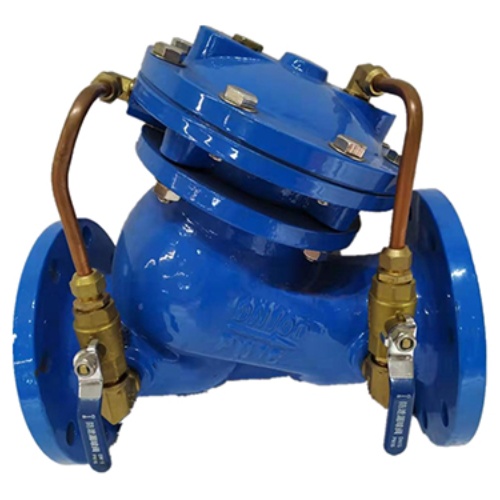
Understanding Globe Valves Essentials and Applications Globe valves are a crucial component in various piping systems, known for their ability to control flow effectively. These valves, characterized by their spherical body shape, operate using a movable disc or ball that can obstruct or allow fluid passage. This article delves into what globe valves are, their features, types—focusing specifically on 3-inch and 4-inch models—and their applications in different industries. What is a Globe Valve? A globe valve is a type of valve used to regulate the flow of fluids. It consists of a valve body, a movable disk or plug, and a stationary seat. The design of the globe valve allows for precise throttling capabilities, making it a popular choice for applications where flow control is paramount. Unlike gate valves which are mainly used for fully open or fully closed operations, globe valves can be finely adjusted to any position in between, providing significant advantages in maintaining flow rates. Design and Construction The body of a globe valve generally features a spherical shape with an internal baffle that separates the inlet and outlet. This shape creates a longer flow path for the fluid, which ultimately increases pressure drop. While globe valves can handle a substantial amount of pressure, the increased pressure drop means they may not be suitable for every application, particularly where minimal pressure loss is essential. The main components of a globe valve include - Body Houses the internal components and is typically made from materials such as brass, stainless steel, or cast iron. - Disc/Plug The movable part that opens or closes the flow path. - Seat The fixed surface against which the disc seals to stop the flow. - Stem The rod that connects the disc to the actuator or handwheel to allow for operation. - Actuator The mechanism used to open or close the valve, which can be manual or automated. The 3-Inch and 4-Inch Globe Valves globe valve 3 4 Globe valves come in various sizes, and the 3-inch and 4-inch variants are common in industrial applications. The choice between these sizes typically depends on the desired flow rate and the design specifications of the piping system. 3-Inch Globe Valve - Typically used in applications where space is a constraint but adequate flow control is necessary. - Ideal for smaller industrial processes, HVAC systems, and irrigation setups. - Offers good throttling performance without taking too much space. 4-Inch Globe Valve - Suitable for larger systems that require higher flow rates. - Often seen in chemical processing plants, power stations, and large-scale irrigation. - Provides a robust design that can handle greater pressure and volume compared to smaller valves. Both these sizes can be found in various materials and designs, offering flexibility based on the media being controlled—ranging from water to steam, gases, and even corrosive fluids. Applications in Various Industries Globe valves play a vital role across multiple sectors, including - Oil and Gas Essential for controlling the flow of crude oil, natural gas, and refinery products. - Water Treatment Used in filtration and distribution systems to regulate the flow of treated water. - Power Generation Integral to cooling systems and steam control in power plants. - HVAC Controls heating and cooling media within complex building systems. In conclusion, globe valves, particularly the 3-inch and 4-inch models, are pivotal in ensuring the efficient and reliable operation of system processes across various industries. Their ability to precisely control fluid flow and adapt to specific requirements makes them a preferred choice in many piping systems. Understanding their design and applications can help engineers and technicians make informed decisions when designing or maintaining such systems, ensuring optimal performance and safety.
about
black round bathroom mirror with light
Understanding Precision Spirit Levels with a Resolution of 0.02 mm/m In the world of construction, woodworking, and various precision-demanding fields, having the right tools can mean the difference between a flawless finish and a compromised project. One such indispensable tool is the precision spirit level, notably one with an accuracy of 0.02 mm/m. This article delves into the significance of such a level, its applications, and the advantages it offers to professionals and hobbyists alike. What is a Precision Spirit Level? A precision spirit level is essentially an instrument used to determine whether a surface is horizontal (level) or vertical (plumb). Unlike standard levels, precision levels boast a higher degree of accuracy, often achieving measurements of 0.02 mm/m. This means that for every meter of distance, the level can detect discrepancies as minor as 0.02 mm, making it a critical tool for tasks where exact measurements are crucial. Applications in Various Industries Precision spirit levels are utilized across a spectrum of industries. In civil engineering, for example, they are employed to ensure that large structures are built on a stable and level foundation. Such accuracy is vital for the longevity and safety of buildings and roads. Similarly, in the field of carpentry, woodworkers depend on precision levels to create furniture and cabinetry that fit perfectly, as even the slightest error can lead to structural issues or aesthetic displeasure. precision spirit level 0.02 mm m In manufacturing, especially in industries that require high-quality assembly, precision spirit levels are used to align machinery accurately. Any misalignment can cause operational inefficiencies and increase wear and tear on the equipment. Furthermore, in the scenic arts, precision levels help set up stages and backdrops, allowing for perfect lines and angles, creating visually appealing results. Advantages of 0.02 mm/m Levels The primary advantage of using a precision spirit level with a tolerance of 0.02 mm/m is enhanced accuracy. This level of precision is particularly advantageous in scenarios where standard levels would not suffice. For instance, in semiconductor fabrication or aerospace industries, where minuscule variances can lead to catastrophic failures, having an instrument that can detect even the tiniest deviations is imperative. Moreover, these levels often come equipped with dual vials, allowing for easy readings in both horizontal and vertical orientations. The robustness of the material used in their construction also ensures durability, meaning that these tools can withstand rugged environments while maintaining their accuracy. Conclusion In summary, a precision spirit level with an accuracy of 0.02 mm/m is an essential tool for anyone involved in fields that demand a high level of accuracy. From construction to manufacturing, its applications are diverse and critical. As projects continue to evolve in complexity, the need for precision will only grow, making tools like the precision spirit level more important than ever. Adopting such a tool not only enhances the quality of work but also ensures that every project culminates in success, showcasing the value of precision in our endeavors.
-

High quality industrial productsagement

High quality industrial products
View Details -

Meet the diverse needs of customers

Meet the diverse needs of customers
View Details -

Strict quality control

Strict quality control
View Details -

Top raw materials

Top raw materials
View Details -

Trusted supplier

Trusted supplier
View Details
Our application

news and information
Using a Level for Accurate Measurements with a Marking Ruler
Using a Marking Ruler with Spirit Level A Guide to Precision in Projects When it comes to achieving
Wood Frame Truss Nail Plate Connection Engineering and Installation Essentials
The Significance of Wood Frame Truss Nail Plates in Construction In the realm of construction and e

Y Type Strainer Cost Comparison and Market Insights for 2023
Understanding the Price Dynamics of Y Type Strainers Y type strainers are essential components in a
 English